
Note #1
Welcome to Critical Early Years Notes: Monthly reflections on childhood and practice
I’ve created these monthly Notes as a way to share my current thoughts about childhood, early years practice, and the political conditions that shape them. This is a space for me to share what I’ve been reading, noticing, and wondering about. These notes are also an invitation for you to pause, think alongside me, and sit with the questions they raise. They aren’t intended as guidance or best practice, but as a space for reflection and critical engagement. These Notes grow out of the privilege of being able to stay close to what’s happening across the early years sector, and a desire to share that thinking in an open, reflective way.
What I’ve been reading
A short reflection on something I’ve been reading and sitting with this month.
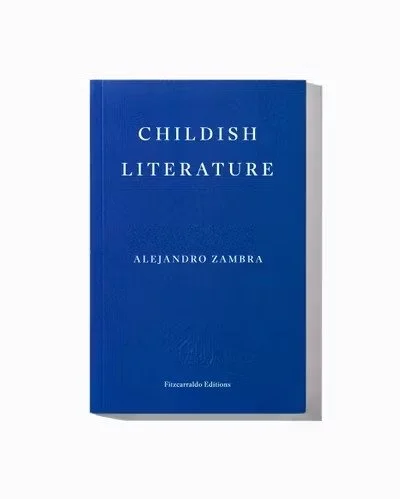
1. In December, I finally finished reading Childish Literature by Alejandro Zambra. It’s a collection of short essays by Alejandro Zambra that reflect on reading, education, and childhood. For those interested in modern fatherhood, I think it does a really good job of putting into words all those messy and embodied feelings that can arise and offers reflections on how becoming a parent changes the way we see the world. There are also some beautiful passages on reading with children and raising a child during the pandemic.
This section has stayed with me:
“I feel like my son changes every day, and his fluctuations and accelerations have built the music that has allowed us to endure these months with joy. A few weeks ago, he entered a bubble with five other children and a very patient teacher, and every morning, he announces that he doesn’t want to go, but he does go, and he enjoys it; he needs those kids who don’t play or dance to his rhythm, but who teach him something… (p.91, emphasis mine)”
That closing line resonates with me because it resists the idea that children should be comfortable or always affirmed. It recognises difference, friction, and mismatch as part of learning and becoming. It raises the question of how we, as educators, make space for children to encounter others who do not move to their rhythm, and how willing we are to sit with the discomfort that can come with it I’m reminded here of guidance I’ve written about the role of skilled adults: staying present with children when ideas or play feel unfamiliar or unsettling, and modelling a calm curiosity that opens up dialogue rather than closing it down.
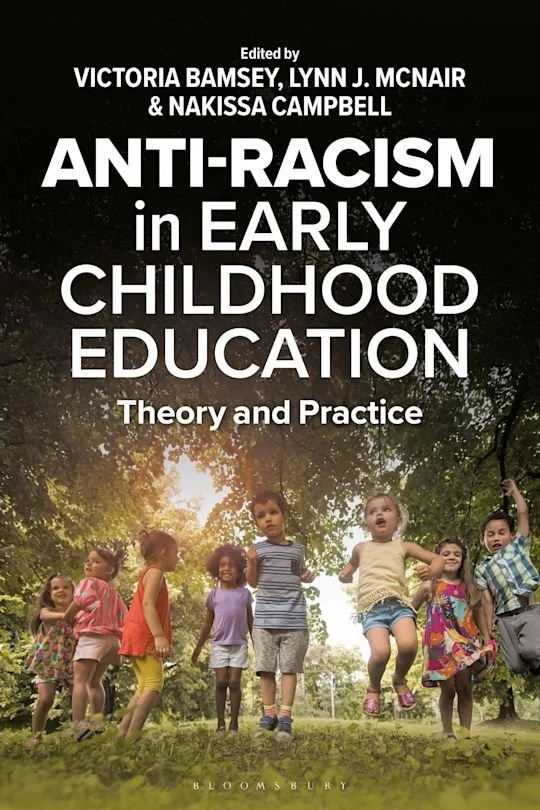
2. I had a chapter published in a new book on Anti-racism in Early Childhood Education. I’d recommend this for all educators, it covers a range of issues both within the UK and internationally.
What’s happening in the sector
The Family Music Hub
1. The Family Music Hub is an organisation that supports anyone making music with under fives and their families, to maximise the benefits of family music-making in their communities.
They are excited to be launching ‘The Hub’ on January 5th: a brand new, low-cost online platform for anyone who includes music in their work with under fives and their families, offering a rich and varied song bank, bite-sized training modules, live meetups, guest-led sessions, snappy skills sprints and a welcoming community, all accessible across devices.
Find out more, join a webinar and sign up to the waiting list at www.thefamilymusichub.org/thehub
State of the nation report
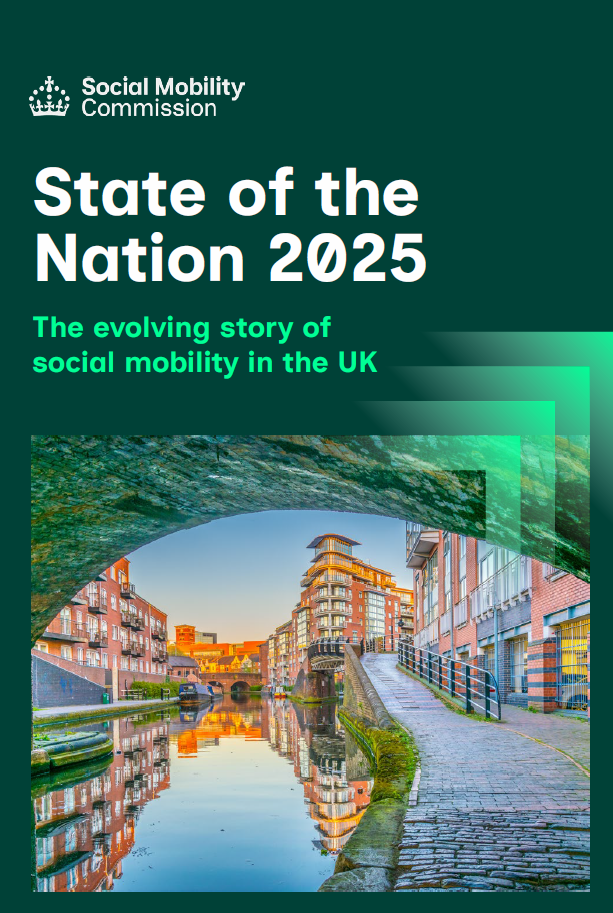
2. Last month, the Social Mobility Commission published its State of the Nation 2025 report. It is a wide-ranging analysis of social mobility in England, examining how factors such as family background, poverty, and place shape people’s life chances over time. Much of what the report sets out will feel familiar to those working in education and early years contexts. It reinforces what has long been known: that poverty, parental socioeconomic background, and place are powerful determinants of life chances, and that these patterns are deeply entrenched. It is a just shame that the early years are not given greater consideration in the report!
Got something to share? Let me know.
Something to think about
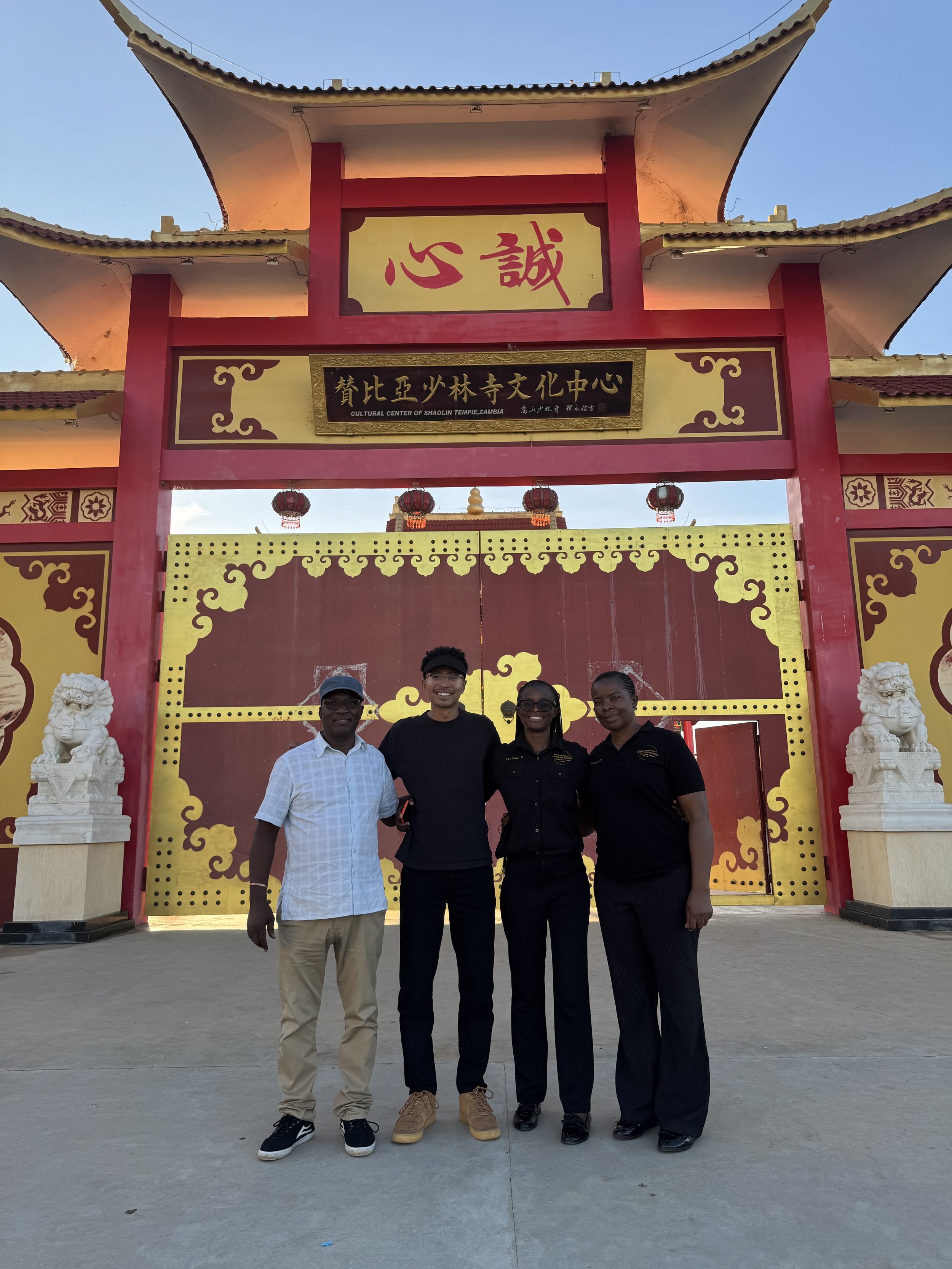
Trip to Zambia
Folks may have seen my LinkedIn post about my visit to Zambia recently. Something I wasn’t expecting to see was a Chinese Shaolin Temple. I’ve since learnt that the relationship between Zambia and China stretches back decades, shaped by trade, infrastructure, and resource extraction, most notably around copper, and more recently through initiatives linked to the Belt and Road initiative. Alongside this, there has been a visible growth in Chinese-run schools and educational provision, competing with Western-style private schools.
When education systems are exported, they often work as a subtle form of soft power. I’m always curious about what values are being promoted in these schools and how this reflects postcolonial dynamics in which education continues to operate as a powerful tool of influence.
I’ll share this short video, which offers further context on the changing relationship between Zambia and China, and the ways these global connections are becoming visible in everyday life.
Thank you for reading, and for spending time with these Notes.
Dr Shaddai Tembo